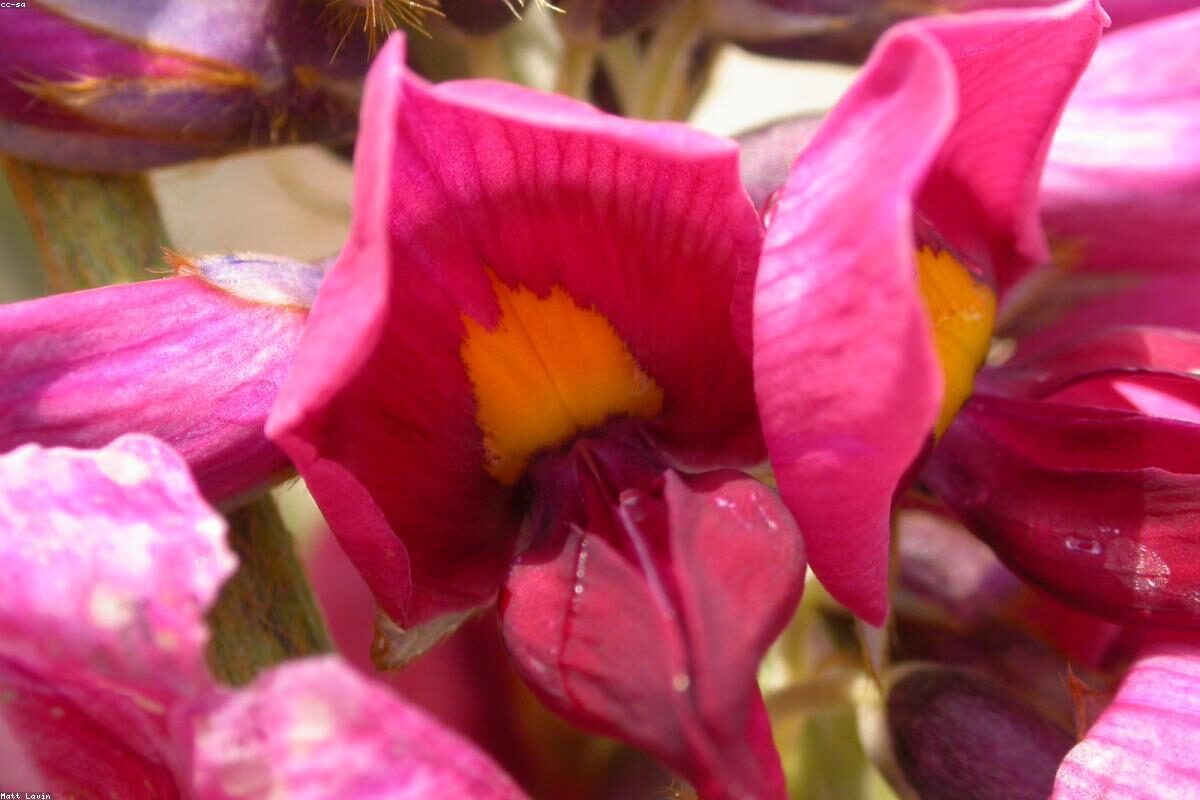
Kudzu is a climbing plant with a long history of traditional use in East Asian medicine, and it has become particularly interesting to researchers studying alcohol consumption.
Small human studies have explored whether kudzu extracts may reduce the amount people drink or change patterns of alcohol use. Some results are promising, but the studies are limited and kudzu is not an established stand-alone treatment for alcohol dependence.
This matters because conversations about alcohol are also conversations about mood, sleep, anxiety, relationships, coping and physical health. Reducing harm can be incredibly important, but people deserve support that is evidence-based and appropriate to the complexity of what is happening.
Interesting research is a reason to stay curious, not a reason to promise too much.
I would not frame kudzu as a general mood supplement. Its most discussed modern research is much more specific, and we still need larger and better studies before making confident claims.
For anyone concerned about their drinking, the most important step is not finding the perfect herb. It is having an honest conversation with a qualified professional and getting support that considers both the physical and psychological picture.
Kudzu is a useful example of how traditional medicine can point researchers towards interesting questions, while also reminding us that curiosity and caution need to exist together.