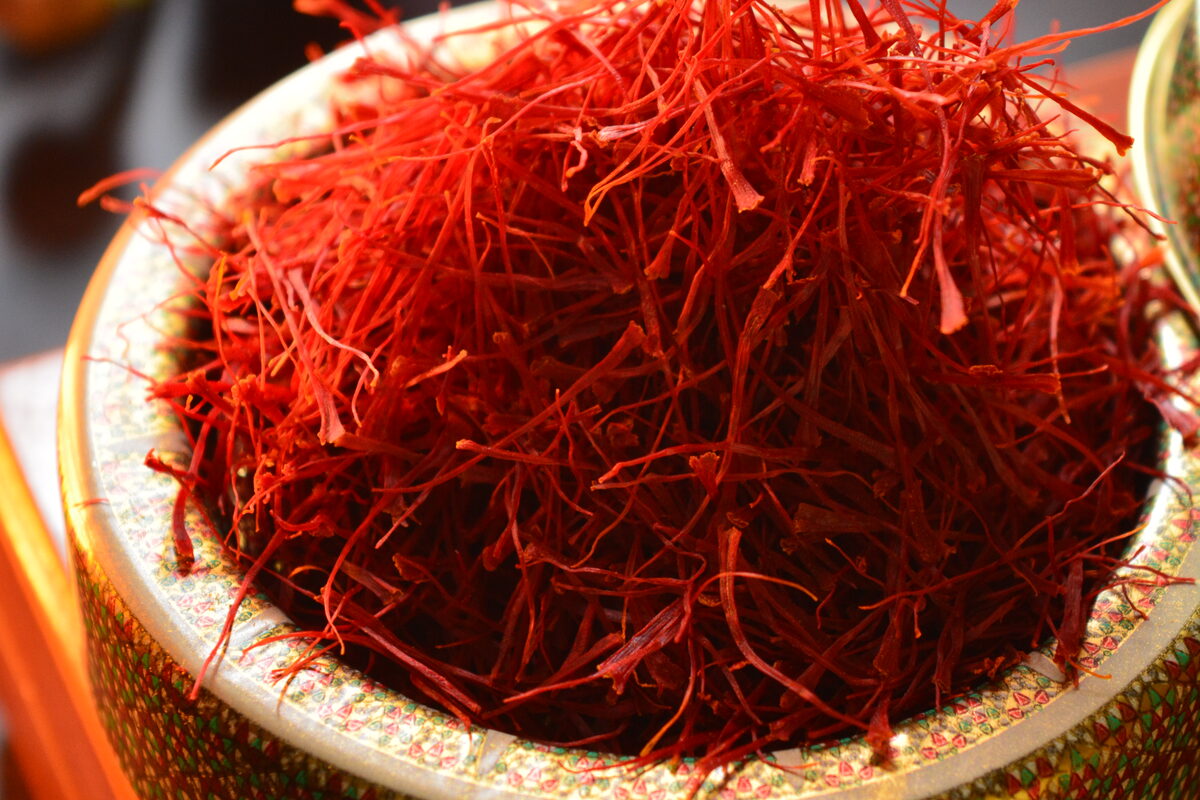
Saffron is one of those ingredients that has been used for centuries, but I think we are only beginning to appreciate how interesting it is from a modern nutritional and psychological perspective.
What I love about saffron is that it isn’t about trying to change how you feel overnight. Research has explored its potential role in mood, particularly around low mood, anxiety and emotional wellbeing, with some promising results.
It contains a number of bioactive compounds, including crocin and safranal, which appear to interact with pathways involved in the brain and nervous system.
Food and plants can have effects far beyond simply providing calories and nutrients.
I think this is a really interesting area of nutritional psychiatry because it reminds us of that bigger picture.
Of course, saffron isn’t a replacement for psychological support or treatment when someone needs it, but as part of a broader approach to mental wellbeing, it is an ingredient I find really fascinating.
Sometimes the smallest things can become part of a much bigger picture of supporting the brain, the body and how we feel every day.